An exploration of how the science and art of dentistry shape treatment plans
If you’ve ever sought a second opinion from a dentist, you’ve probably noticed something surprising: the treatment plan can change. One dentist may see implants as the best solution, another might recommend bridge-work to avoid surgery, while yet another could advise extractions followed by a full-arch restoration. Each plan addresses the same underlying problem, but in very different ways.
For patients exploring dental tourism in places like Turkey, this variation is magnified. It’s common to send x-rays to several clinics and receive multiple, often conflicting, treatment plans in return. No wonder it can feel confusing.
For those considering dental care in Turkey, this range of opinions helps us to understand how differently dentists can approach the same case. Turkish clinics frequently combine advanced technology with varying philosophies of treatment, which means one clinic may prioritize preserving natural teeth while another may lean toward implant-supported solutions for long-term stability.
Here’s the truth: not every treatment plan is created equal. Some reflect careful evaluation and professional judgment, while others are rushed, sales-driven, or built around a “one-size-fits-all” package. The real challenge is knowing which is which.
For patients in Canada, the UK, or the USA (where the cost of dentistry is sky-high) exploring treatment abroad can make financial sense. But if you don’t know how to interpret differing treatment plans, dental tourism can quickly shift from opportunity to gamble.
In this article, we’ll break down why treatment plans vary, how to tell the difference between careless and careful approaches, and what this means for patients considering treatment abroad.
Step One in Dental Tourism: Was Your Treatment Plan Created With Care?
Before exploring the many valid reasons treatment plans can differ, patients must ask the most important question first: Was this plan created with care, or was it rushed through a high-volume clinic?
The reality of dental tourism is that some clinics operate like revolving doors. They attract patients with flashy marketing and low prices, then push generic treatment plans without fully reviewing each case. Red flags include:
- Cookie-cutter recommendations that look identical regardless of the patient’s dental history.
- No direct access to the dentist — only sales staff, agents, or coordinators.
- Vague or oversimplified explanations of complex procedures.
- Unrealistic promises about cost, speed, or outcomes.
If you’re dealing with this type of clinic, differences in treatment plans may reflect a lack of diligence rather than genuine professional judgment. Spotting this early can save patients both money and risk.
Patients researching dental care in Turkey should look beyond the initial quote and focus on how the clinic communicates. A reputable provider will review your diagnostics carefully, explain the reasoning behind each recommendation, and make the dentist available for questions-clear signs that the treatment plan is based on genuine clinical judgment, not a rushed, one-size-fits-all approach.
Why Dental Treatment Plans Differ Even Among Good Dentists
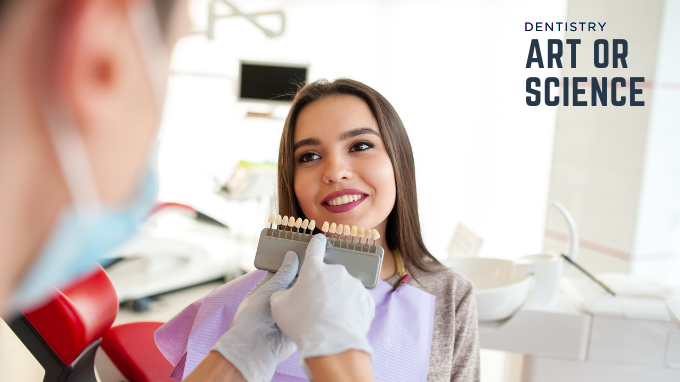
Once you’ve ruled out careless planning, you’ll notice that even among highly qualified, ethical dentists, treatment plans can look very different. This is not a cause for concern. Dentistry is both a science and an art — meaning two practitioners may approach the same problem differently, yet both with skill and integrity.
Factors that shape these differences include:
- Clinical philosophy: Some dentists prioritize preserving natural teeth whenever possible, while others prefer to rebuild with implants for long-term stability.
- Training and background: A dentist trained in Europe may take a different approach than one trained in North America or Turkey.
- Experience and intuition: A dentist with decades of complex cases may trust one approach over another based on what they’ve seen succeed.
- Technology and materials available: Dentists’ access to certain implant systems or digital planning tools they have seen success with may guide their recommendations.
- Laboratory and technician confidence: Prosthetic work like crowns and bridges depends heavily on lab technicians. Dentists may design plans around the labs they trust most.
- Patient-specific factors: Age, bone density, lifestyle, and even a patient’s budget can all influence the plan. (That’s why, if they’re not asking the right questions before planning your treatment, that’s a red flag!)
The key takeaway: variation among good dentists isn’t about right or wrong — it’s about professional judgment, philosophy, and context.
Examples of How Dental Treatment Plans Can Differ
To make this real, here are some common areas where two dentists might propose different treatment paths:
- Bridges vs. Implants: One dentist may recommend a bridge to replace missing teeth, preserving cost and treatment time and avoiding the potential for implant failure (in patients whose underlying periodontal conditions might warrant this concern). Another may suggest implants for durability and long-term bone preservation. Both can be valid depending on the patient’s situation.
- All-on-4 / All-on-6 vs. Multiple Independent Implants: For patients needing full-arch restoration, one dentist may propose an “all-on” system with four to six implants strategically placed to support a fixed prosthesis. Another may suggest placing several individual implants throughout the jaw. Each has pros and cons around cost, healing, and maintenance.
- Prosthesis Options: Restorative choices vary. Some dentists swear by the strength of a fixed zirconium prosthesis with a titanium bar (T-bar). Others may recommend the flexibility of a Toronto-style hybrid prosthesis. Both provide functional, aesthetic outcomes, but each has unique pros and cons.
- Immediate Loading vs. Staged Approach: Some dentists are comfortable placing temporary teeth on implants immediately (“teeth in a day”). Others prefer a healing phase before attaching even temporary prosthetics, prioritizing long-term implant stability.
- Implant Brands: From Straumann to Nobel Biocare to excellent local Turkish systems, dentists may favor different brands based on reliability, personal experience, or cost vs. benefit considerations.
- Bone Grafting vs. Short Implants: One dentist might recommend grafting to build bone before placing implants, while another might suggest short implants that avoid grafting altogether.
Each of these approaches can be correct depending on the circumstances – which is why understanding the rationale is so important.
The Risks of Dental Tourism Without Due Diligence
This is where dental tourism patients can run into trouble. Too often, people assume that the first clinic to reply to their inquiry is the “expert,” and they accept the plan without question if it reasonably falls within their budget.
But the reality is:
- Many treatment plans are marketing-first, patient-second. Clinics design attractive offers to close deals, not necessarily to provide the best care.
- Direct access to dentists is rare. Patients often interact with agents or coordinators who may not fully understand the treatment process.
- Cultural and communication gaps exist. Without clear dialogue, patients may misunderstand what’s being offered or promised and, most importantly, the nuanced considerations involved in their treatment.
- In our own experience at Dental Pathways, we’ve posed as patients ourselves, and even with persistence, we’ve found it difficult to get solid, detailed evaluations from some providers. If it’s difficult for us, it’s even harder for someone navigating dental care in Turkey for the first time.
The risk? Choosing a plan that looks good on paper but fails to consider your specific needs, potentially leading to poor outcomes and expensive corrections at home.
What Patients Must Do When Choosing Dental Care Abroad
So how can patients protect themselves? The answer is preparation. Your role doesn’t end when you send x-rays overseas. To get the best outcome, you need to do the groundwork:
- Speak directly with the dentist. Agents and middlemen aren’t enough. You need to hear from the professional responsible for your treatment.
- Understand what problem you’re dealing with:
- Are you trying to weed out a careless, sales-driven plan?
- Or are you comparing two valid but different approaches from skilled dentists?
- Ask the right questions:
- Why this approach and not another?
- What are the pros and cons for my specific case?
- What risks should I be aware of?
- What materials or prostheses are being recommended, and why?
- Look for clarity, not convenience. If the explanations feel vague, rushed, or too good to be true, they probably are.
This effort upfront saves frustration later. Once you’ve done the groundwork, you can confidently lean on your dentist’s expertise to guide the final choice.
How Dental Pathways Guides Patients Through Treatment Plan Evaluation
This is exactly where Dental Pathways comes in. We know how overwhelming it can feel to compare treatment plans across borders, especially when you don’t speak the language or know the cultural norms.
Here’s how we support patients from Canada, the USA, and the UK:
- Guidance through the noise: We’ve navigated the dental tourism industry in Turkey ourselves, and we know the difference between marketing-driven clinics and genuine practitioners.
- Trusted network of dentists in Turkey: We’ve built strong relationships with ethical, skilled dentists who take the time to evaluate each case.
- Multiple perspectives when needed: Patients can benefit from seeing more than one valid approach — and we help interpret those differences with effort and care.
- Cultural translation: Beyond language, we explain the nuances of how dentistry is practiced in Turkey so patients can make informed choices.
- Patient-first advocacy: Our role isn’t to push one plan but to ensure you have the information to choose what’s right for you.
With Dental Pathways, you’re not navigating the process alone. We are committed to really making sure you make the right decision, because that’s what we’d do for ourselves.
Making Sense of Different Dental Treatment Plans
The variation in treatment plans isn’t inherently bad. In fact, it’s normal. But patients must first recognize which type of variation they’re dealing with:
- Careless vs. careful planning. Is the plan sales-driven or genuinely patient-focused?
- Different but valid approaches. Are you comparing two equally ethical but stylistically different paths to the same outcome?
We’ll help you make that distinction and then evaluate the options with confidence.
Conclusion: Choosing the Right Dental Treatment Plan Abroad
When exploring dental tourism, patients often assume there’s a single “correct” plan for their teeth. But dentistry is a blend of science and artistry — meaning there are usually multiple valid paths to the same healthy, functional smile.
The first step is recognizing whether you’re looking at a careless plan or a careful one. The second step is learning how to weigh the differences between good dentists’ approaches.
With the right groundwork — and with support from facilitators like Dental Pathways — you can make informed decisions that protect your health, save you money, and deliver lasting results.
Within the broader world of medical tourism, Turkey has become known for its combination of advanced technology, experienced clinicians, and accessible pricing.
If you’re in Canada, the UK, or the USA and considering dental tourism in Turkey, reach out to us. We’ll help you cut through the noise, connect with trusted dentists, and find the treatment plan that’s right for you.
Take the first step today — let us help you compare treatment options and find the plan that truly fits your needs.