Last Updated on May 14, 2026 by Dental Pathways
By Zahir Nathoo, Medical Tourism Facilitator | Medically reviewed by Dr. Can Atakan, Dentist
Explore Dental Crown Materials and How to Save on Cost
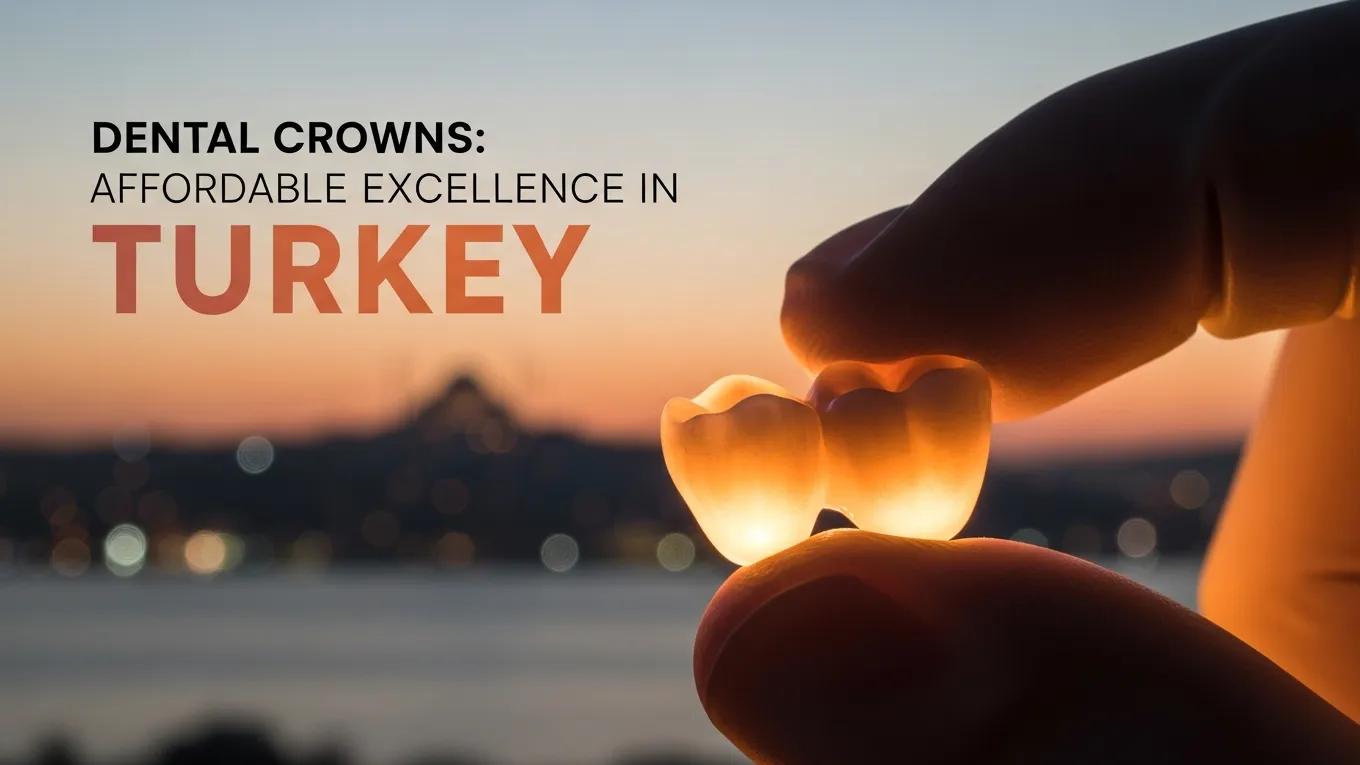
Dental crowns play a central role in restorative dentistry, restoring function, strength and appearance to damaged teeth. This guide explains dental crown cost and dental crown materials — including zirconia and porcelain — and explores why many patients now choose Turkey for their dental treatments. We’ll clarify the financial picture, compare materials, and walk through some key considerations for selecting a clinic for your Dental Treatments in Turkey.
Dental Crown Cost Breakdown
Knowing the cost of dental crowns is essential when planning treatment. Prices vary by material, procedure complexity, and clinic location. That said, Turkey’s dental crown cost is significantly lower with equal treatment quality compared to many Western countries like Canada, the UK, and the US, which is a major reason driving international patients to choose dental tourism there.
From the dental crown cost table above, it is evident that patients can save up to 86% on treatment in Turkey, a key factor driving patients to explore dental tourism options. Why does this matter? It is not uncommon for patients to need 3 to 4 crowns in one treatment. If opting for a dental crown material like zirconia, that potentially represents a savings of $7,920 just for a single treatment!
Metal porcelain, known to be the reliable workhorses of dental crowns for decades, combines a strong metal substructure with a porcelain overlay, offering a balance between strength and aesthetics. While extremely strong, they tend to be less expensive than full zirconia or porcelain crowns and may not provide the same level of translucency or biocompatibility. This option remains popular for patients seeking durable crowns at a moderate cost.
At Dental Pathways, we support our patients through these choices, in consultation with the treating dentist, advising patients on the best dental crown materials to suit their unique needs so that decisions are both clinically sound and financially transparent.
How long can you expect your dental crowns to last?
The lifespan of dental crowns varies depending on the material used, oral hygiene, and individual habits. Here’s what you can generally expect for each type:
- Zirconia Dental Crowns: Known for their exceptional strength and durability, zirconia crowns typically last between 15 to 25 years or more with proper care. Their resistance to wear and chipping makes them ideal for long-term restorations, especially in high-stress areas like molars.
- Porcelain Dental Crowns: Porcelain crowns offer excellent aesthetics but are more prone to chipping and wear. With good oral hygiene and avoiding excessive force, they usually last around 10 to 15 years.
- Metal Porcelain Dental Crowns: Combining a metal base with a porcelain overlay, these crowns are durable and can last 15 to 20 years. However, the porcelain layer may wear or chip over time, especially if exposed to heavy biting forces.
What other costs might be involved with dental crowns?
Beyond the crown material and treatment itself, several additional costs may arise during your dental treatment journey, depending on your individual needs and oral health status.
- Root Canal Treatment: Sometimes, before placing a crown, a tooth may require root canal therapy if there is infection or nerve damage. This procedure involves cleaning and sealing the tooth’s root canals and can add to the overall cost and treatment time.
- Night Guards for Bruxism: Patients who clench or grind their teeth (a condition known as bruxism) may need a custom night guard to protect their new crowns from excessive wear or damage. Night guards are custom-fitted devices worn during sleep and represent an additional investment but, for some patients, are crucial for the longevity of their restorations.
- Additional Preparatory Work: In some cases, teeth may need extra preparation such as build-ups or core restorations if there is significant decay or damage. These procedures ensure the crown has a stable foundation and can increase treatment complexity and cost.
- Follow-Up Visits and Adjustments: After crown placement, follow-up appointments may be necessary to adjust the fit or bite. While often included in the treatment package, some clinics may try to charge separately for extended aftercare.
Discussing these potential dental crown cost factors upfront with your dental provider and patient coordinator helps ensure transparency and allows you to plan your treatment budget effectively.
Patients getting crowns in Turkey often face confusion and ambiguity regarding the materials used and the expertise available, which can impact their perception of quality care. Pricing can also be unclear or misleading. To help clarify these concerns, we have explored this phenomenon in depth. Find out why advertised prices in Turkey sometimes don’t match the real, final costs.
Dental Crown Material: Zirconia, Porcelain and PFM Comparisons
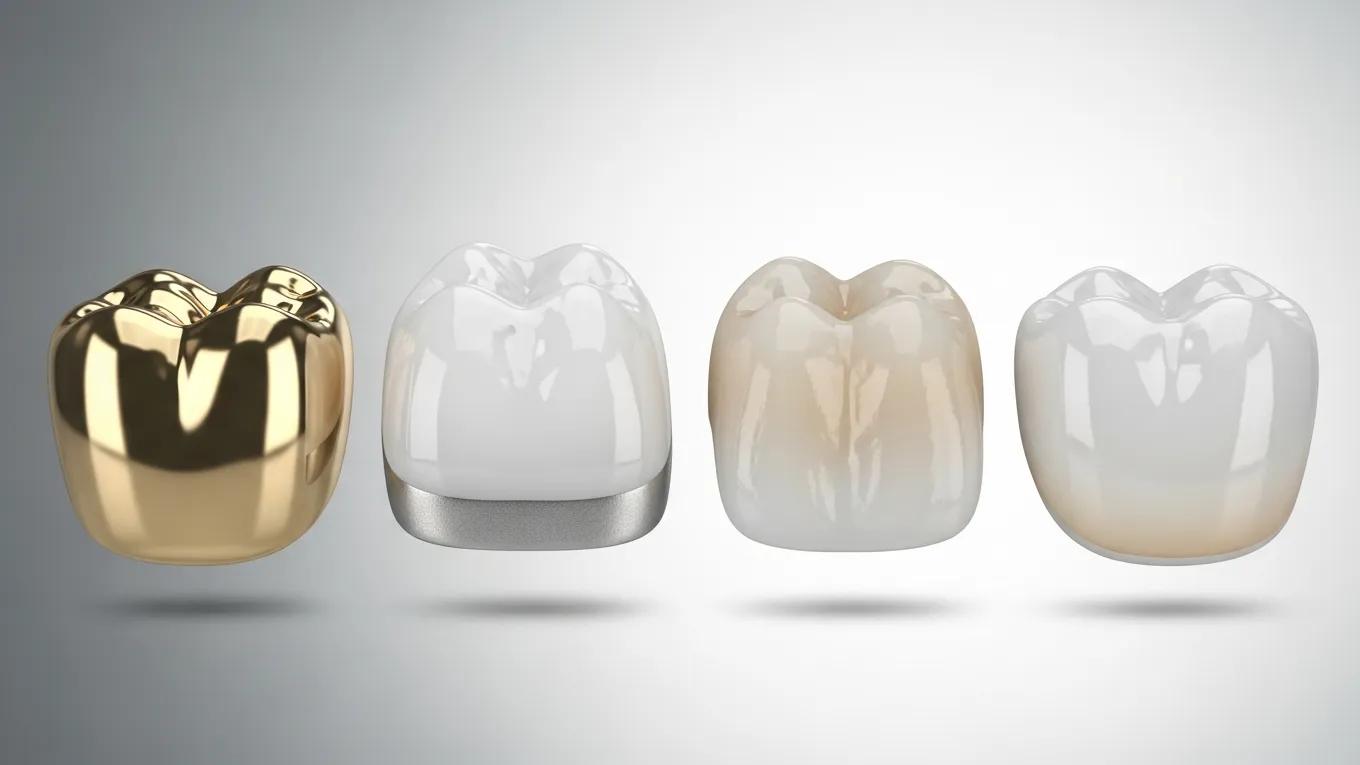
Choosing the right crown material matters. Zirconia and porcelain are the most used options; each has clear strengths depending on the clinical need. That said, PFM (porcelain fused to metal) restorations are sometimes still the most suitable for many patients, including those that require superior strength in their posterior teeth.
Zirconia stands out for a balance between strength and durability. It resists chipping and cracking better than many alternatives, which makes it suitable for patients with heavy bite forces or bruxism. Modern zirconia can be shaded for a natural look. Research increasingly highlights zirconia’s mechanical advantages and the ways it’s used across restorative dentistry.
Zirconia Dental Materials: Properties, Production & Applications
Recent advances in materials and manufacturing have expanded the use of tooth‑colored, biocompatible ceramics as alternatives to metal‑supported restorations. Full‑ceramic restorations, particularly those based on zirconia, are now common because of their strong mechanical performance. Zirconia is used as a framework for tooth‑ and implant‑supported crowns and bridges, for one‑piece anatomically formed restorations, as primer systems, post/core solutions, abutments and even implants. Modern production methods include CAD/CAM and 3D printing. This review examines the composition, manufacturing approaches and physical, mechanical and optical properties of zirconia‑based dental materials in light of current literature.
– A review, zirconia based dental materials, M Nezir, 2025
Porcelain crowns are chosen primarily for aesthetics. Their translucency can closely mimic natural enamel, making them well suited for front‑teeth restorations. They can be more fragile than zirconia and may require more careful handling. Comparative studies have tested the fracture resistance and stress behavior of crowns made from these materials.
Zirconia vs. Porcelain Crowns: Fracture Resistance Comparison
This study measured occlusal fracture resistance and stress concentration in crowns with zirconia substructures veneered with either composite or porcelain. Static load tests and finite element analysis showed that zirconia/composite and zirconia/porcelain crowns performed similarly under load. Stress patterns differed slightly, but overall both veneering approaches withstood high occlusal forces without a significant difference in fracture resistance.
– Fracture resistance of zirconia-composite veneered crowns in comparison with zirconia-porcelain crowns, O Alsadon, 2017
Advantages Dental Crown Material: Zirconia
- Durability: Zirconia is highly wear‑resistant and built for long service life.
- Aesthetic Appeal: It can be color‑matched to adjacent teeth for a natural result.
- Biocompatibility: Zirconia is well tolerated by soft tissues and has a low allergy risk.
Advantages Dental Crown Material: Porcelain
- Natural Appearance: Porcelain recreates the translucency and depth of natural enamel, ideal for visible teeth in a full smile.
- Stain Resistance: Properly glazed porcelain resists staining and retains its appearance.
- Versatility: Porcelain is widely used across restorations, from single crowns to bridges and veneers.
The Science of Zirconia vs. E-Max: A Technical Deep Dive
In recent years, a brand called E-Max has been “all the rage.” It has been positioned in dental tourism marketing as the gold standard of beauty and aesthetics when it comes to dental crown material that best mimics natural teeth. If aesthetics and longevity both matter, it helps to understand the science behind zirconia and E‑Max.
E-Max, a lithium disilicate glass-ceramic, is renowned for its excellent translucency and aesthetic qualities, making it a popular choice for anterior restorations where appearance is paramount. It offers a balance of strength and beauty, with a flexural strength sufficient for many clinical applications, especially in the front teeth. Understanding the properties of both zirconia and E-Max allows patients to make informed decisions based on their specific needs.
That said, patients should often be willing to trust the expertise of the dentist responsible for their crown treatments when it comes to selecting materials. In our experience, patients often fall for the marketing hype and arrive set on a specific material, yet they sometimes forget that skilled dentists choose the materials that best suit their individual needs.
Ultimately, the dentist’s expertise is the primary factor determining long-term treatment success. We recently covered this important distinction in an article about dental implants, which applies very much to dental crown treatments. To learn more, read Why Dentist Expertise Matters More Than the Dental Implant Brands.
Zirconia: Strength Engineered for Longevity
- Zirconia (YT‑TZP) is among the strongest restorative materials available.
- Flexural strength typically sits around 900–1,200 MPa, well above natural enamel.
- That strength makes zirconia especially suitable for molar crowns and high‑load areas.
- Monolithic zirconia is milled from a single block, reducing the risk of veneer chipping.
- High‑translucency zirconia (HT‑Zirconia) combines improved aesthetics with strong mechanics, so it’s increasingly used in the front of the mouth.
- Turkish labs commonly use advanced CAD/CAM systems from manufacturers such as Sirona, Dentsply and Roland, delivering precision comparable to Western labs.
E-Max (Lithium Disilicate): The Aesthetic Champion
- E‑Max is a lithium disilicate glass‑ceramic known for excellent light transmission.
- Flexural strength is approximately 400 MPa — lower than zirconia but still clinically robust.
- E‑Max reproduces enamel-like translucency and depth, making it the preferred choice where appearance is paramount.
- It’s ideal for anterior crowns and cases driven primarily by cosmetic outcomes.
- Ivoclar Vivadent’s IPS e.max system is widely used in leading Turkish clinics and globally recognized for consistent aesthetics.
Choosing Between Zirconia and E-Max: A Quick Guide
Partner clinics working with Dental Pathways source materials from the same European and global manufacturers used in London, New York and Toronto. The difference you gain is economic — lower local overheads — not lower material quality.
Crowns Turkey: The Dental Tourism Experience
Turkey is now a major hub for dental tourism, drawing international patients who want high‑quality care at more affordable prices. Clinics across the country invest in modern technology and experienced teams to meet global standards. It goes without saying, dental tourism offers clear benefits but also specific considerations — we highlight both so you can prepare wisely.
For those who are already seriously exploring crowns in Turkey and are unsure where to go, who to trust, and what materials they need, we’ve put together a comprehensive guide to help you navigate the saturated market of dental clinics in Turkey and assist you in choosing an ethical, patient-first provider who will look out for your best interests. For a true insider’s guide, Visit ‘Crown Confusion’: Dental Crowns in Turkey Explained
The Rise of Dental Tourism: Costs, Waiting Times & Risks Abroad
Demand for dental care abroad has grown as patients seek lower costs, shorter waits and the chance to combine treatment with travel. But patients should be aware of the risks associated with receiving care outside their home country’s regulated system and weigh those against the potential benefits.
– Navigating the rise of dental tourism — A charity’s view, 2025
With end-to-end support from dental tourism facilitators like Dental Pathways, patients who get crowns in Turkey can expect coordinated care that covers consultation, treatment planning and post‑op support. Many dental tourism clinics bundle treatment, transportation, and hotel accommodations into a single price. While sometimes convenient, this often makes it hard for patients to know what they’re actually paying for. We do Dental Tourism Travel & Support differently.
- Costs for treatment and travel arrangements are itemized separately, ensuring full clarity on your expenses.
- You have the freedom to select your own lodging without being limited to pre-arranged hotels or facing hidden fees.
- Experience Turkey your way—whether by walking, using public transport like taxis and metros, or booking private transfers.
Your 7-Day Dental Crowns in Turkey Itinerary
One of the most common questions patients ask Dental Pathways is, “How does the trip actually run?” Below is a realistic, day-by-day itinerary for a ‘crowns in Turkey’ trip — combining world-class treatment with a taste for Turkey’s renowned hospitality.
Day 1 — Arrival & Welcome
- Arrive in Istanbul (direct flights from hubs such as Vancouver, Toronto, London, Manchester and New York).
- Private airport transfer arranged by Dental Pathways.
- Check in at your hotel.
- Welcome briefing with your Dental Pathways patient coordinator.
- Evening: rest or enjoy local dining — Turkish cuisine is a highlight.
Day 2 — Consultation & Treatment Planning
- Morning: clinic consultation with your specialist dentist.
- Digital X‑rays and 3D CBCT scan if required.
- Shade matching and aesthetic planning for your crowns.
- Personalised treatment plan confirmed and consented.
- Afternoon: free time — optional city tour or relaxation.
Day 3 — Tooth Preparation & Temporary Crowns
- Tooth preparation under local anesthetic (comfortable and precise).
- Digital impressions taken — no messy traditional moulds.
- Temporary crowns fitted so you can leave the clinic confident.
- Lab begins CAD/CAM milling of permanent crowns (typically 24–48 hour turnaround).
Days 4–5 — Recovery & Cultural Immersion
- Light recovery days — mild sensitivity is normal and usually short‑lived.
- Explore the city’s Grand Bazaar, take a Bosphorus cruise, or visit Topkapi Palace.
- Or relax in a neighborhood, beach, or enjoy a traditional hammam.
- Your patient coordinator is available 24/7 for any questions.
Day 6 — Final Dental Crown Fitting & Quality Sign‑Off
- Permanent crowns return from the lab and undergo precision checks before fitting.
- Crowns are bonded and adjusted to achieve an optimal bite.
- Final aesthetic review — you and your dentist approve the result together.
- Aftercare kit and written care instructions provided.
Day 7 — Departure
- Final check‑in with your patient team.
- Transfer to the airport.
- Fly home with your new smile — with crown teeth at a fraction of the price.
- Dental Pathways provides remote aftercare support for 12 months.
This is not a rushed stop‑gap. It’s a carefully planned clinical journey that pairs excellent dentistry with a genuine cultural experience.
Dentist & Clinic Selection Criteria
Picking the right clinic is central to a successful outcome. Fortunately, with facilitators like Dental Pathways, we’ve got that covered!
- Accreditation: Our partner clinics hold relevant accreditations and meet international standards.
- Experience: Our dentists are experienced in crown work and have a demonstrable track record.
- Patient Reviews: Visit our independent testimonials to judge care quality and patient satisfaction.
Dental Pathways acts as a guide during this process, helping patients connect with a dentist and clinic that matches their clinical needs and personal preferences.
Importance of patient advocacy
Patient advocacy is vital for international dental care. It helps ensure you receive safe, well‑coordinated treatment and the information you need to make informed decisions. Dental Pathways prioritizes transparency and patient empowerment throughout the process.
Turkish Dental Labs vs. Western Labs: The Truth About Quality Parity
The biggest misconception in dental tourism is that lower cost equals lower quality. The reality is more nuanced — and more reassuring. Here’s what separates a Turkish lab from its Western counterparts.
The Materials Are the Same
- Top Turkish labs source from the same global manufacturers used in Western markets: Ivoclar Vivadent, Vita Zahnfabrik, 3M and Kuraray Noritake.
- Products such as IPS e.max blocks, Vita zirconia discs and 3M Lava zirconia are widely available in Turkey.
- CE marking and ISO 13485 certification are common standards, not exceptions.
The Technology Is Equivalent
So Why Is the Dental Crown Cost Lower?
- Labour costs in Turkey are significantly lower than in the US, UK or Canada — an economic reality that impacts the dental crown cost rather than a quality trade‑off.
- Commercial rents and operational expenses for clinics and labs in Istanbul or Antalya are much lower than in major Western cities.
- Government support for dental tourism can reduce regulatory overhead and encourage investment in modern equipment.
- The outcome: the same branded materials and milling machines, operated by trained technicians, at a fraction of Western overheads.
The Dental Pathways Quality Guarantee
- Every partner is independently audited by Dental Pathways before joining our network.
- Patients can request full material certification documentation for their crowns.
- With Dental Pathways, you do not have to choose between quality and affordability — you get both!
Dental Crowns in Turkey: Making Your Informed Choice
Dental crowns are a key solution in restorative dentistry, with zirconia and porcelain being the most common materials used these days. Crowns in Turkey provide a cost‑effective option for patients seeking quality care with substantial savings compared to many Western countries. Understanding the dental crown cost, dental crown materials like zirconia, and having a facilitator like Dental Pathways will help you make a clear, informed choice. We are available to guide you through every step of the dental tourism journey.
About the Author
Zahir Nathoo is an experienced Medical Tourism Facilitator who has been working with dental patients from Canada, the UK and US for over two years, connecting them with trusted, affordable, and premium dental care in Turkey.
Dental Crown FAQs
Is It Safe to Have Dental Crowns Fitted in Turkey?
- Yes — leading Turkish clinics hold international accreditations such as JCI and ISO 9001.
- Turkish dentists complete five‑year university programmes followed by specialist training comparable to European and North American standards.
- Dental Pathways only partners with clinics that pass rigorous vetting, including accreditation checks, outcome reviews and on‑site inspections.
Is Zirconia a Good Dental Crown Material?
- Zirconia crowns are an excellent choice and commonly last 15–25+ years with appropriate care.
- Clinical studies report survival rates above 95% at 10 years for well‑placed zirconia restorations.
- Longevity depends on oral hygiene, bite habits and regular dental checkups — not the crown’s country of origin.
Will My Insurance Cover Dental Treatment in Turkey?
- Most standard dental insurance plans in the US, UK and Canada do not cover elective care abroad.
- Some international health plans and specialized dental tourism policies may provide partial coverage.
- Dental Pathways supplies full itemized invoices and treatment records to support insurance claims.
- Even without insurance, out‑of‑pocket costs in Turkey are often lower than typical insured co‑pays at home.
What Warranty Do I Get on My Crowns?
- Crowns placed through Dental Pathways partner clinics include a minimum two‑year warranty.
- Many clinics offer five‑year warranties on zirconia crown but, if placed well, this usually is never necessary.
- Warranties cover manufacturing or fitting defects but do not cover trauma or neglect.
What If I Need Follow‑Up Care When I Return Home?
- Dental Pathways operates a 12‑month remote aftercare program.
- Your treatment records, X‑rays and specifications are provided in a digital patient file you can share with any local dentist.
- Minor adjustments (bite tweaks, polishing) can often be handled by your local dentist using those records.
- Although rare, for significant problems Dental Pathways coordinates return visits if necessary.
Are There Any Hidden Costs?
- No — Dental Pathways does not charge additional fees and offers a fully itemized quote before you travel, covering crowns, consultations and transfers.
- The dental crown cost quoted is the crown cost you pay — no surprise lab fees or unadvertised material upgrades.
You can also visit our Dedicated FAQ Page for answers to some of the most important questions about dental tourism.